Как да храним Мейн Куун — пълно ръководство за собственици на големи и щастливи котки

Поздравления — ако четеш това, значи вече имаш или се подготвяш да имаш мейн куун. Това ръководство събира основните насоки за правилното хранене, но още в началото искамe да подчертаeм нещо, което научихме от личен опит: няма две еднакви котки, дори когато живеят в един и същи дом и им се предлага една и съща храна.

В нашето семейство това се вижда ежедневно — една котка предпочита определени гранули, друга ги подминава; някои обожават мокра храна, други ядат само някои консерви; има любители на сурово месо, но има и такива, които категорично го отказват. Случвало се е да предлагаме една и съща храна на няколко котки и реакциите да са напълно противоположни.

Затова, докато тази статия предлага ценни съвети, най-важното остава едно: наблюдавай собствената си котка — нейните предпочитания, навици и реакции.

Твоето внимание, комбинирано със здравословните нужди на породата, е ключът към пълноценното хранене и щастливия, здрав мейн куун.

Защо храненето на мейн куун е различно

Мейн кууните растат по свой собствен ритъм — и това е нещо, което осъзнах истински едва когато започнах да следя развитието на нашите котки през годините. Някои качват килограми бързо още от ранна възраст и изглеждат „едри“ на 8–10 месеца, докато други растат по-постепенно, разтягат се на дължина, но пълнят структурата си много по-късно.

Една от нашите котки например на една година изглеждаше още „тийнейджърски“ — по-слаба, по-фина, с недоразвита мускулатура. Когато сравнявам снимки от 1-годишна възраст и 3-годишна, промяната е огромна: тялото се е уплътнило, гърдите са се разширили, мускулите са осезаеми. Едва около третата година се вижда пълният потенциал на породата.

Един от най-честите въпроси, които ни задават, е: „Колко килограма ще стане моята котка?“ Истината е, че килограмите са ориентир, но не са най-важното. По-подробно за размерите на мейн кууните сме писали тук: „Колко големи могат да станат мейн куун котките“ — но ако можехме да предскажем още при раждането дали едно коте ще стане 5, 7 или 10 килограма, то със сигурност щяхме да умеем да гледаме в бъдещето.

От опит можем да кажем, че генетиката понякога изненадва. Имаме случаи, в които дъщери надминават майка си по размер или обратното, което е съвсем нормално. Това не означава, че майката е твърде малка, нито че дъщерята е прекалено голяма — просто природата си знае работата. Гените се комбинират по уникален начин и всеки мейн куун развива собствен темп на растеж и структура.

Затова храненето трябва да следва именно това развитие, а не само числата на кантара. Целта не е котката да бъде „по-голяма“, а да бъде здравa, балансиранa и да растe естествено за своя ритъм.

Какво е важно в състава на храната

Протеин – градивният елемент

Протеинът е това, от което буквално е изградено тялото на котката. Той не е просто „хранителен компонент“, а основният градивен материал за мускулите, костите, кожата, козината, ноктите, органите и дори хормоните и ензимите, които поддържат живота. Ако мазнините са източник на енергия, то протеинът е основата на здравината и жизнеността.

Котките са облигатни хищници, което означава, че организмът им е създаден да черпи енергия и хранителни вещества от месо, а не от растения. Те не могат ефективно да използват растителни протеини (като соя, грах или зърнени култури), защото им липсват определени ензими за тяхното разграждане. Освен това растителният протеин не съдържа пълния набор от незаменими аминокиселини, от които котките се нуждаят ежедневно.

При моите котки разликата между храна с качествен животински протеин и такава с повече растителни добавки се вижда почти веднага: мускулите стават по-оформени, а козината по-плътна.

За един мейн куун това е още по-важно. Това е котка с мощна мускулатура и масивна структура, която изисква висококачествен животински протеин, за да поддържа сила и баланс. Ако в храната няма достатъчно или протеинът е от ниско качество, котката може да започне да губи мускулна маса, а това води до отпуснато тяло, по-малко енергия и дори до здравословни проблеми с черния дроб и имунитета.

Животински срещу растителен протеин:

Затова при избора на храна винаги гледай първата съставка в списъка – ако е „пилешко месо“, „пуешко филе“ или „сьомга“, това е чудесен знак. Ако обаче започва с „царевица“, „ориз“, „растителен протеин“ или „animal by-products“, по-добре потърси нещо по-качествено.

Колко протеин е „достатъчно“ за мейн куун

Повечето експерти препоръчват храната на котката да съдържа поне 35–40% протеин (на сухо вещество). При премиум и суперпремиум храните това съдържание често достига 45–50%, което е идеално за активна и мускулеста порода като мейн куун.

Важно е не само количеството, но и качеството на протеина. Например 40% протеин, получен предимно от соя, не е равен на 40% протеин от пилешко месо. Животинският протеин съдържа аминокиселини като таурин, аргинин, метионин и лизин, които са жизненоважни за котешкия организъм.

Практичен съвет за собствениците:

Когато купуваш храна, не гледай само процента протеин, а и източника. Ето как можеш бързо да прецениш:

Кога протеинът може да е твърде много

За млади, активни и здрави мейн куун котки — почти никога. Протеинът е „чисто гориво“ за тях. Прекомерният протеин рядко е проблем за здрава котка, тъй като излишъкът се разгражда от организма. Но при по-възрастни котки с бъбречни проблеми ветеринарят може да препоръча по-умерена диета. Ако котката ти е млада, активна и здрава – високопротеинова храна е не просто позволена, а препоръчителна.

Мазнини и есенциални мастни киселини – горивото на живота и тайната на блестящата козина

Мазнините често имат лоша репутация при хората, но за котките — и особено за мейн куун — те са истинско богатство. Те не са просто източник на енергия, а играят жизненоважна роля във всяка клетка на организма. Ако протеинът е тухлата, от която е изградено тялото, то мазнините са циментът и горивото, които поддържат всичко свързано и работещо гладко.

Мейн куун е голяма, мускулеста и активна порода. За да поддържа своята енергия, мускулен тонус и плътна козина, тази котка се нуждае от достатъчно количество качествени животински мазнини, богати на есенциални мастни киселини — онези, които тялото не може да произвежда само и трябва да получава чрез храната.

Какво правят мазнините в тялото на мейн куун

Един грам мазнина осигурява повече енергия, отколкото грам протеин или въглехидрати. За голяма котка като мейн куун това е важно – мазнините поддържат енергийния баланс, без да се налага да се дава прекалено голямо количество храна.

Дългата, гъста и мека козина е гордостта на всеки мейн куун. За да бъде тя лъскава, еластична и без пърхот, в храната трябва да присъстват мастни киселини като омега-3 и омега-6. Те подхранват кожата отвътре, намаляват възпаленията и предотвратяват изсушаването. Когато котката получава достатъчно полезни мазнини, козината буквално „свети“ и се поддържа лесно.

Витамините A, D, E и K са мастноразтворими. Без достатъчно мазнини тялото на котката не може да ги усвои ефективно. Затова балансираното количество мазнини не само храни, но и прави останалите хранителни вещества достъпни.

Омега-3 мастните киселини са жизненоважни за развитието на мозъка, очите и нервната тъкан при котенцата, както и за умствената острота и спокойствието при възрастните котки. При по-големите породи, каквато е мейн куун, ставите носят немалко натоварване. Омега-3 мастните киселини имат естествено противовъзпалително действие и помагат на котката да се движи по-гъвкаво, без болка или скованост.

Омега-3 и Омега-6 – мастните киселини, които правят чудеса

Това са т.нар. есенциални мастни киселини, които котката не може да синтезира сама. И двете групи са нужни, но в правилното съотношение.

Таурин – аминокиселина с огромно значение

Ако има една-единствена съставка, която винаги проверявам, когато избираме храна за нашите котки, това е тауринът. Тауринът е може би най-важната аминокиселина в живота на котката. Той не е просто „добавка“, а жизненоважен елемент, без който тялото на котката буквално не може да функционира нормално. Котките не могат сами да произвеждат достатъчно таурин, затова трябва да го получават всеки ден чрез храната си.

Какво представлява тауринът и защо е толкова специален

Тауринът е органична аминокиселина, която играе ключова роля в множество системи на организма — от сърцето и очите, до мозъка, черния дроб и имунната система. Той не се използва като „градивен блок“ за мускулите (както повечето аминокиселини), а по-скоро като регулатор – участва в процесите, които поддържат клетките живи, стабилни и правилно функциониращи.

Можем да кажем, че тауринът е като диригент на оркестър – не свири сам, но без него целият организъм започва да „фалшивее“.

Най-богатите естествени източници на таурин са животинските тъкани, особено:

Точно затова е толкова важно храната на котката да е на животинска основа. Храни, в които преобладават растителни протеини (грах, соя, пшеница), не могат да осигурят достатъчно таурин, защото растенията просто не го съдържат.

Съвременните пълноценни котешки храни обикновено съдържат добавен таурин, за да гарантират, че котката получава нужното количество всеки ден. Обърни внимание на етикета – почти винаги ще го видиш сред последните съставки, обозначен като “taurine”.

Тауринът може да изглежда като малка подробност, но всъщност е основен стълб на котешкото здраве. При мейн куун — порода, която по природа има мощно тяло и голямо сърце — тауринът е нещо като ежедневна застраховка за добро зрение, силен мускул и дълъг, активен живот.

Минерали и витамини

Минералите и витамините са като фината настройка на организма – те не изграждат тялото като протеините и мазнините, но без тях всички процеси в тялото на котката биха започнали да се „разстройват“. За мейн куун, който има голяма костна структура, тежки мускули и дълга козина, правилният минерален и витаминен баланс е от изключително значение.

Големите котки имат нужда от добре съотношен калций и фосфор, за да поддържат здрави кости, зъби и стави. Калцият укрепва костната тъкан, а фосфорът помага на мускулите и клетките да използват енергията. Ако тези два елемента не са в баланс (например има твърде много фосфор и малко калций), това може да доведе до костни проблеми или нарушен растеж при младите котки.

Не по-малко важни са микроелементите като цинк, мед, желязо и селен. Те участват в производството на хемоглобин, в поддържането на здрава кожа и козина и в правилното функциониране на имунната система.

От витамините най-съществено значение за котките имат:

Суха или мокра храна – кое е по-добро?

Честно казано, понякога си мислим, че ако попитаме нашите мейн куун, ще получим две коренно различни философии за храненето. Истината е, че и двете имат своето място.

Сухата храна е удобна, дълготрайна и подходяща за „самостоятелни“ котки. Мейн куун често се чувства спокоен, когато купичката му е винаги пълна – така че можеш спокойно да оставяш гранули на разположение през целия ден.

Мократа храна (паучове, консерви) е отличен източник на течности. Тя поддържа хидратацията и уринарното здраве, тъй като котките по природа не пият много вода. Освен това обикновено съдържа по-малко въглехидрати и повече животински протеин. Мократа храна не е „лукс“, а полезна част от ежедневното меню – можеш да я даваш веднъж или два пъти дневно, например сутрин и вечер.

Вкъщи режимът е такъв - суха храна на свободен достъп през целия ден и мокра храна по 2 пъти на ден, придружена с мъркане, търкане и котешки монолози, ако сме се забавили дори и с 10 минути от обичайното време.

Колко храна е достатъчна

Един от най-честите въпроси сред собствениците на мейн куун е: „Колко трябва да яде моята котка?“
Истината е, че няма универсален отговор. Всеки мейн куун е различен – някои са по-активни, други по-спокойни; някои обичат да тичат и играят, а други предпочитат да се излежават в слънчевото петно до прозореца.

Затова не се вкопчвай в цифрите на опаковката – те са само ориентир, не правило. Производителите изчисляват препоръчителните количества според средни стойности, но реалният живот рядко е „среден“. Мейн куун може да тежи от 6 до 10 килограма, а понякога и повече – разликата е огромна, както и нуждите от енергия.

Факторите, които определят количеството храна

Възраст:
Котенцата и младите мейн куун растат дълго и имат бърз метаболизъм. Те могат да ядат значително повече спрямо теглото си, защото изразходват енергия за растеж и игри. Възрастните котки се нуждаят от по-умерен прием, а при по-възрастните е добре калориите леко да се намалят, за да се предотврати напълняване.

Кастрационен статус:
След кастрация метаболизмът леко се забавя, а апетитът често се повишава. Това не е повод за тревога, просто изисква малко повече внимание. Обикновено е достатъчно да намалиш дневното количество суха храна с около 10–15% и да осигуриш повече игра и движение.

Активност:
Мейн куун, който има достъп до тераса, двор или обича да играе активно, ще гори повече калории и ще се нуждае от по-обилна порция. По-спокойните котки, които обичат да спят дълги часове, се чувстват по-добре с по-малко количество, за да не натрупват излишни мазнини.

Климат и сезон:
През студените месеци котките обикновено се движат по-малко, но тялото им изразходва енергия, за да се стопли – това може леко да увеличи апетита. През лятото, напротив, много мейн куун ядат по-малко.

Как да избираш храна без да се подлъгваш по маркетинга

Днес пазарът е препълнен с красиви опаковки, обещания за „суперхрани“ и снимки на сочни месни хапки. Но истината е, че маркетингът често звучи по-добре, отколкото храната реално е. Затова, когато избираш храна за своя мейн куун, не гледай първо цветовете на опаковката – гледай състава и анализа.

Една добра храна не се познава по логото, а по съдържанието.

Зърнена или беззърнена – коя е по-добра?

Темата за зърнените култури в храната често предизвиква спорове. Истината е, че котките не се нуждаят от зърно, но и не е задължително зърното да е „враг“. Малки количества ориз или овес могат да служат като източник на енергия и фибри, стига храната да е балансирана.

Беззърнените формули обикновено съдържат повече месо и по-малко въглехидрати – това е плюс за активните котки и за тези, които лесно наддават. При мейн куун, който има голямо тяло и добър апетит, беззърнената храна често е по-подходящ избор, защото осигурява повече протеин и по-малко „празни калории“.

Конкретни препоръки за храни, налични в България на база описаното съдържание:

Хранене през различните етапи от живота

Котенца – до 12–18 месечна възраст трябва да се хранят с храна, предназначена за растеж. Тя е по-богата на енергия и протеин, за да подпомогне развитието. Мейн куун може да остане на „kitten“ формула до две години.

Млади и активни възрастни – нуждаят се от балансирана енергийна храна. Ако котката живее у дома и не изразходва много, избирай формула за кастрирани котки или с по-ниска калорийна стойност.

Възрастни котки – след осмата година метаболизмът се забавя. Подходящи са храни с повече фибри, умерени мазнини и поддържащи добавки за ставите и бъбреците.

Вода и хидратация – тихият герой на здравето

Котките не пият достатъчно, защото в природата получават достатъчно течности от плячката си. Мейн куун, със своето голямо тяло, има още по-голяма нужда от вода.

Добра практика е да се поставят две купички с вода – една близо до храната и една далеч от нея, за да насърчиш пиенето. Фонтанчетата са отличен избор – много мейн куун обожават течаща вода. Ако котката не пие достатъчно, мократа храна ще компенсира липсата.

Обобщено: спокойствие, постоянство и наблюдение

Храненето на мейн куун не трябва да бъде сложно. Избери пълноценна храна с качествен животински протеин, осигури винаги пълна купичка със суха храна, добавяй мокра храна за хидратация, и наблюдавай котката си.

Не се влияй от моди, реклами и спорове в интернет. Всяка котка е различна. Ако твоят мейн куун има стабилна енергия, чиста козина и правилна форма – значи вървиш в идеалната посока.

Понякога най-добрата грижа не е в сложните диети, а в постоянството, вниманието и любовта, с които сипваш купичката всеки ден.
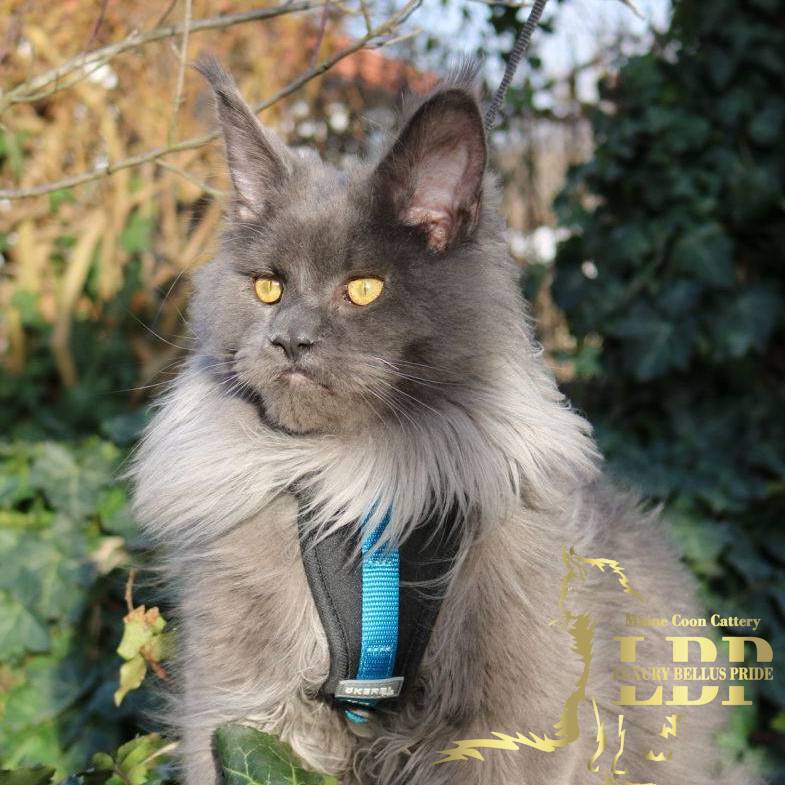
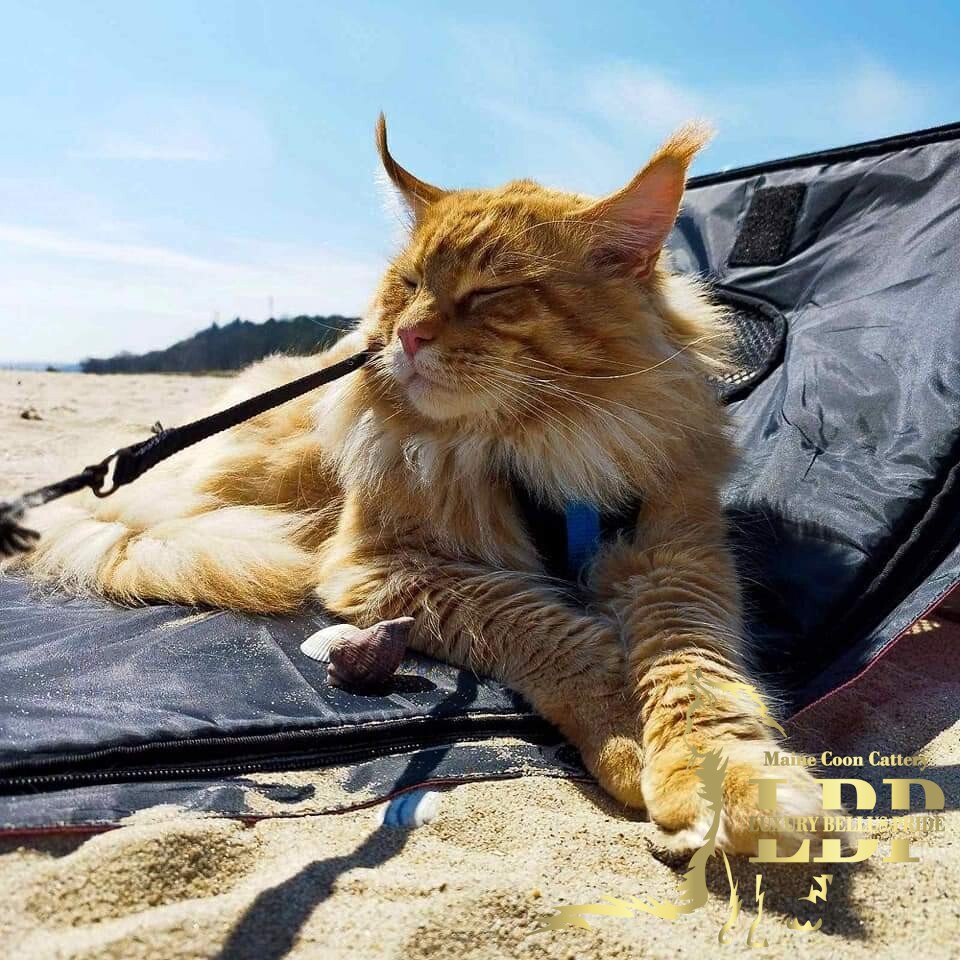
Maine Coon Size: How Big Can Maine Coon Cats Get?

Maine Coon cats are known for their impressive size, making them one of the largest domestic cat breeds in the world. Despite their large bodies, these cats are gentle giants, popular for their affection and playful nature.

Looking for a Maine Coon size chart to compare your kitten's size to others? You may be wondering how big your Maine Coon kitten will get. Here you will find answers to your questions and get a better idea of ​​what to expect from your cat.

Average Maine Coon Sizes

Maine Coons are significantly larger than most other cat breeds. Their size varies between male and female cats, with males usually being larger. Here's a breakdown of their average sizes:

Although these are averages, some Maine Coons can grow even larger, with some males reaching 12-13 kg.

Maine Coon Growth Stages

Maine coons grow slowly, taking them up to 3-5 years to reach full size. This slower growth rate helps them develop their muscle structure and adapt to their large bodies.

Maine Coon kitten (0-6 months)

During the first few months, Maine Coon kittens grow rapidly. By 3 months, male kittens usually weigh between 1.8 kg and 2.3 kg, while females weigh between 1.6 kg and 2.3 kg. By 6 months, males can reach a weight between 3.9 kg and 6 kg, and females usually weigh between 3.2 kg and 4.5 kg.

Newborn kitten (0-4 weeks)

Nutrition: During the first four weeks, the kitten is completely dependent on the mother's milk. It provides him with all the nutrients he needs, including antibodies to build the immune system.
Features: At this stage, the kittens are blind and deaf, they need constant attention from the mother.

Mixed feeding and partial weaning period (4-8 weeks)

Nutrition: Between weeks 4 and 8, kittens usually start to show an interest in solid food. Soft food or wet kibble, especially for kittens, can be introduced while nursing is still being maintained.
Features: Kittens begin to explore their environment, play more and develop their coordination.

Period of enhanced growth (2-4 months)

Nutrition: Feeding a high-quality kitten food rich in protein and fat is critical for proper growth. At this stage, kittens need food with a high energy value to support their rapid growth and developing musculature. Raw meat can also be introduced into their diet. This is the period when they are completely weaned from mother's milk.
Features: The growth of the Maine Coon is rapid during this period. From the second to the fourth month, the weight of the kittens increases more than 3 times.

Stabilization period (4-6 months)

Nutrition: Continue feeding with kitten food, and it is good that the diet consists of a variety of food - granules, wet food and raw meat. At this stage, kittens begin to eat larger amounts of food, which is necessary to support their rapid growth.
Features: The Maine Coon kitten is starting to show its first signs of being a mature cat, building its musculature and character.

Young Maine Coon (6-12 months)

During this period, Maine Coons continue to grow steadily, but at a slower pace. By 12 months of age, males typically weigh between 5.7 kg and 8.7 kg, while females reach between 4.5 kg and 6.5 kg. At this stage, Maine Coons are still developing their musculature and final physical structure.

Adult Maine Coon (1-5 years)

Maine Coons can continue to grow into their 3rd or 5th year. During this period, their weight stabilizes, and they develop their full potential. Adult males usually weigh between 6 kg and 11 kg, while females stay in the range of 4.5 kg to 7.5 kg.

AgeMale Maine Coon weight (grams)Weight of female Maine Coon (gram)
Newborn kitten110-155105-135
1 week175-270170-240
1 month630-750550-680
2 months1230-16001100-1400
3 months1800-23001600-2300
4 months3000-40002400-3600
5 months3200-55002900-4000
6 months3900-60003200-4500
7 months4200-65003500-4600
8 months4500-70003800-5000
9 months5000-73004000-5200
10 months5200-80004000-5500
11 months5700-80004300-6000
12 months (1 year)5700-87004500-6500
18 months (1.5 years)6000-100004500-7000
3 years and over6000-110004500-7500
Maine Coon size chart by month

Factors Affecting Maine Coon Size

Several factors determine how big your Maine Coon will grow:

Genetics

Maine Coon size is largely determined by genetics. Cats from larger parents are likely to grow larger. When getting a Maine Coon, it's a good idea to ask the breeder about the size of the kitten's parents if you want to get a rough idea of ​​how big your pet can grow.

A Maine Coon kitten's weight is an important indicator of its health and development, as well as its potential size in the future, but it should not be the main factor in choosing a pet. It's important to monitor the kitten's weight properly and make sure it comes from a responsible breeder who cares about its health.

However, when choosing a kitten, you should remember that you are getting a new family member, not fruits and vegetables by the pound. The health and well-being of the kitten, as well as your personal relationship with the animal, play a key role in the decision.

Nutrition:

A well-balanced diet is essential for Maine Coon growth. During the first year, kittens need high-quality food rich in protein, fat and essential nutrients to support their rapid growth. Proper nutrition throughout their lives helps maintain a healthy weight and muscle development.

Castration/Sterilization

Spaying or neutering a Maine Coon before they reach sexual maturity (around 6 months) can have a slight effect on their growth. Neutering cats before puberty is beneficial for their health and behaviour, reducing the risk of diseases such as genital cancer, preventing unwanted pregnancies and leading to a calmer demeanor. After castration, the hormonal balance changes, which slows the metabolism and increases the appetite, often leading to weight gain if the diet is not adjusted to the individual needs of the cat.

Physical activity and environment

Maine Coons are active and playful cats that need space to move around. Physical activity not only helps maintain muscle structure, but also prevents the accumulation of extra pounds. Providing a stimulating environment with sufficient opportunities for exercise is key to maintaining their health.

Why do Maine Coon cats get so big?

The large size of Maine Coon cats is the result of a combination of genetic factors and historical adaptations. The origins of the breed can be traced back to America, where these cats developed in the harsh climate of the state of Maine. Their large body and long, thick fur are evolutionary adaptations that help them cope with extreme winters and hunt effectively in the cold environment.

In addition, the selection work of breeders in recent decades has also contributed to the preservation and even increase of the size of the breed. Maine Coons are bred to preserve their characteristics, which makes them particularly popular among cat lovers around the world.

How to maintain a healthy Maine Coon weight

Maintaining a healthy weight is critical to Maine Coon cats' longevity and quality of life. To achieve this, it is important to provide a balanced diet that covers their energy needs without causing excess weight gain. High-quality foods rich in protein and moderate in fat are ideal for maintaining muscle mass and energy balance.

Physical activity also plays an important role. Maine Coons are active cats that love to play and explore. Providing enough space and stimulation to play will help keep them fit.

Conclusion

Maine Coon cats are extremely impressive with their size, which makes them one of the largest and most imposing pets. Understanding their growth, the factors that influence it and the specific care they require is key to ensuring a long and healthy life.

With proper care and attention, these gentle giants will delight you with their devotion and unique character.

Maine Coon's coat grooming

Maine Coons are known for their shiny coat and striking looks. Proper coat care is essential to keep your Maine Coon healthy, happy and beautiful.

That's why we've created this article with helpful tips and tricks to help you keep your pet's coat in great condition.

What we need to know about the fur of Maine Coon cats

Except for the so-called "mane", the coat on the head and shoulders of the Maine Coon is short and becomes distinctly longer along the back and flanks, as well as on the belly. Their coat requires regular attention as, in addition to the coarser waterproof coat, they also have an undercoat that is soft and fine.

The dense, free-falling topcoat is water-repellent and covers the back, flanks and top of the tail completely. The lower parts of the body and the back of the hind legs are usually covered only with noticeably softer fur.

Although many Maine Coons have silky, easy-care coats, some have thicker, more tangle-prone coats that require more grooming.

Necessary tools for care

Routine care

Редовната грижа за козината е от съществено значение за мейн кууните, за да се предотврати сплъстяването, да се намали отделянето на косми и да се поддържа кожата им здрава. Без подходяща грижа козината им може да се заплита, което води до дискомфорт и потенциални здравословни проблеми като кожни инфекции или космени топки.

Dealing with tangles and knots

Tangles and knots are common problems in cats with long fur. If you encounter a knot, use a detangling tool or a metal-toothed brush to gently untangle it.

In severe cases, you may need to cut the knot with scissors, being very careful not to injure the cat's skin. Regular brushing can help prevent knots.

Additional coat care tips

Ear and eye care

Although not directly related to coat care, it is important to mention that it is good to regularly check and clean your Maine Coon's ears and eyes:

Creating a positive grooming experience

The truth is that every cat is different - some love brushing with a comb, others take it as the most hateful thing that could happen to them. 🙂

That doesn't mean that caring for your Maine Coon's coat shouldn't be a priority. Here are some helpful tricks that might help you if you're having trouble:

Conclusion

Caring for your Maine Coon is an essential aspect of its well-being. By establishing a regular grooming routine and using the right tools, you can prevent common fur problems and strengthen your bond with your furry friend.

Remember that caring for the fur is not only about maintaining the appearance, but also about monitoring the state of health.

View this post on Instagram

A post shared by Luxury Bellus Pride | Maine Coon Cattery (@mainecoon_lbp)

How to train your Maine Coon to walk with a harness and leash

Leash training your Maine Coon can be a rewarding experience for both you and your furry friend. Not only does it provide a safe way to walk outdoors together, it also improves your bond and ensures your cat gets enough exercise and mental stimulation.

Understanding your Maine Coon's personality

Maine Coons are known for their sociable nature and intelligence. These characteristics make them more amenable to leash training than some other breeds. Patience and understanding are key, however, as each cat will respond to training at its own pace.

Step 1: Choosing harness and leash

Choose a comfortable, well-fitting harness designed for cats or small to medium breed dogs. A harness is preferable to a collar for safety and comfort, as it distributes the pressure evenly across your cat's chest and back if it pulls. Look for a manual with adjustable straps to ensure a snug fit. Pair it with a lightweight, sturdy leash to give you control without weighing your cat down.

Step 2: Getting to know each other

Allow your Maine Coon to become familiar with the harness and leash by leaving them near your cat's sleeping or feeding area. Encourage your kitten's interaction with new objects by including them in playtime. This step reduces the fear or anxiety associated with new gear.

Step 3: Wearing the harness

Start by placing the harness on your cat without fastening it, rewarding them with treats and praise. Gradually, as they get used to it, tighten and adjust to a snug but not too tight fit. Allow your Maine Coon to wear the harness for short periods indoors, gradually increasing the duration.

Step 4: Introduce the leash

Once your cat is comfortable wearing the harness, attach the leash. Let them drag the leash indoors under supervision. This step helps them get used to the feel of the leash without adding pressure to be controlled.

Step 5: First outdoor adventure

Choose a quiet and safe outdoor area for your first outdoor venture. Keep the leash loose, allowing your Maine Coon to explore at his own pace. Keep outings short and sweet, gradually increasing the duration as your cat becomes more comfortable.

Tips for success

The benefits of leash training

Leash training your Maine Coon offers numerous benefits, including:

Leash training a Maine Coon, or any cat, requires patience, consistency, and an understanding of your cat's comfort levels. Following these steps will help ensure a positive experience for both you and your cat, opening the door to many enjoyable adventures together.

MAINE COONS VS. NORWEGIAN FOREST CATS: UNVEILING THE DISTINCTIVE CHARMS OF EACH BREED

Maine Coons, known for their majestic size, friendly demeanor, and luxurious fur, hold a special place in the hearts of cat enthusiasts worldwide. However, their distinctive traits often lead to comparisons with other beloved breeds, particularly the Norwegian Forest Cat. This blog post delves into the nuances that set Maine Coons apart from the Norwegian Forest Cat , highlighting both differences and similarities to enhance your understanding of what makes each breed unique.

The Majestic Maine Coon

Originating from the United States, specifically Maine, the Maine Coon is one of the largest domesticated cat breeds. Renowned for their "dog-like" loyalty, these gentle giants boast a striking appearance with their long, bushy tails, tufted ears, and a robust physique. Their coat is dense and water-repellent, a necessity for surviving harsh winters. Personality-wise, Maine Coons are known for their friendly, playful nature, making them excellent companions for families.

The Noble Norwegian Forest Cat

The Norwegian Forest Cat, hailing from Northern Europe, shares a similar rugged and fluffy appearance with the Maine Coon. This breed is built to survive the cold climates of Scandinavia, featuring a thick, water-resistant coat, bushy tail, and strong, muscular build. Norwegian Forest Cats are cherished for their adventurous spirit, yet they possess a calm and reserved demeanor, displaying affection on their own terms.

Distinguishing Features

Physical Size: Both breeds are among the largest domestic cats, but Maine Coons often edge out Norwegian Forest Cats in size and weight.

Coat and Grooming: While both have a thick, water-resistant coat, the Maine Coon's coat is a bit softer, silkier. Norwegian forest cats have a wavy undercoat.

Ear Tufts: A striking feature that often sets Maine Coons apart is their pronounced ear tufts, which give them a wild, lynx-like appearance. These tufts are not only aesthetically pleasing but also serve a practical purpose by providing extra insulation. While Norwegian Forest Cats also boast tufted ears, the ear tufts of a Maine Coon are typically more prominent, making this a distinguishing characteristic. This subtle yet significant difference highlights the Maine Coon's unique charm and contributes to their majestic silhouette, further differentiating them from their Norwegian counterparts.

Common Ground

Despite their differences, Maine Coons and Norwegian Forest Cats share several traits that endear them to cat lovers. Both are intelligent, capable of learning tricks and commands. They exhibit strong hunting instincts, a reminder of their ancestral outdoor lives. Moreover, both breeds are excellent with children and other pets, making them ideal family companions.

Conclusion

While Maine Coons and Norwegian Forest Cats share superficial similarities, their unique characteristics set them apart. Choosing between these majestic breeds depends on personal preferences. Regardless of your choice, both Maine Coons and Norwegian Forest Cats will undoubtedly enrich your life with their presence.

Debunking Myths and Revealing Truths: The Fascinating Origins of the Maine Coon Breed

The Maine Coon, with its majestic appearance and friendly demeanor, holds a special place in the hearts of cat enthusiasts around the world. However, the origin of this breed is shrouded in mystery and folklore, leading to various myths that have captivated the imagination of many.

Let's embark on a journey to debunk these myths and uncover the truths about the origins of the Maine Coon breed.

Myth 1: Marie Antoinette's Escape Plan

One of the most enchanting myths surrounding the Maine Coon is that they are descendants of long-haired cats owned by Marie Antoinette. According to legend, the French queen attempted to escape the revolution and sent her prized possessions, including her beloved cats, to America. While she never made it to American shores, her cats supposedly did, and are believed to have bred with local felines, giving rise to the Maine Coon breed.

The Truth: While this tale is romantic and intriguing, there is no historical evidence to support it. The Maine Coon's ancestry is more likely to be linked to the long-haired cats brought to America by seafarers and settlers in the early 19th century. These cats adapted to the harsh New England winters, leading to the development of their thick, water-resistant coats and robust nature.

Myth 2: Crossbreeding with Raccoons

Another popular myth suggests that the Maine Coon is the result of a crossbreed between domestic cats and raccoons. This is often cited as the reason for the breed's bushy tail, tufted ears, and the 'coon' in its name.

The Truth: Biologically, it's impossible for cats and raccoons to interbreed. The Maine Coon's distinctive physical features are the result of natural selection in a cold climate, not the outcome of a cross-species union. The name "Maine Coon" simply reflects the breed's place of origin (Maine) and its bushy tail, which resembles that of a raccoon.

Myth 3: Viking Companions

Some believe that the Maine Coon's ancestors were brought to North America by Viking explorers around 1000 AD, predating the arrival of Columbus. Proponents of this theory point to the breed's resemblance to the Norwegian Forest Cat, a breed known to have traveled with Vikings.

The Truth: While this theory is more plausible than others, especially given the historical presence of Vikings in North America, there is limited direct evidence to confirm that Maine Coons descended from cats brought by Vikings.

However, the similarities between Maine Coons and Norwegian Forest Cats suggest a shared heritage of northern European long-haired cats that evolved independently on opposite sides of the Atlantic.

Historical Evidence and Theories

Beyond the myths, the true origin of the Maine Coon likely involves a mix of natural adaptation and human influence. The breed's characteristics suggest a lineage of long-haired cats that were well-suited to the harsh winters of the northeastern United States. Several theories, supported by more evidence than the myths, offer insights into how the Maine Coon came to be:

European Origins: Genetic studies suggest that the Maine Coon's ancestors may have come from Europe, possibly brought over by early settlers or Vikings, as previously mentioned. This theory is supported by the breed's resemblance to other European long-haired cats, such as the Norwegian Forest Cat and the Siberian.

Natural Selection: The Maine Coon's distinctive physical features, such as its large size, tufted ears, and bushy tail, are likely the result of natural selection. These adaptations would have helped the cats survive in the cold, forested regions of Maine, hunting rodents and staying warm during winter.

Popularity and Preservation: By the late 19th century, Maine Coons were popular participants in cat shows and were even declared "America's first show cat" at a Boston cat show in 1895. Despite a decline in popularity in the early 20th century, efforts by breed enthusiasts in the 1950s and 1960s led to the breed's resurgence. Today, the Maine Coon is one of the most popular and recognizable cat breeds in the world.

Conclusion

The myths surrounding the Maine Coon breed, while fanciful and entertaining, pale in comparison to the breed's genuine allure. The combination of natural selection, historical migration, and human affection for these cats has culminated in a breed that is both majestic and mysterious.

As we peel back the layers of myth, the truths that emerge about the Maine Coon's origins only enhance our fascination with these magnificent creatures. Maine Coons continue to enchant and thrive, securing their place in the hearts of cat lovers around the globe.